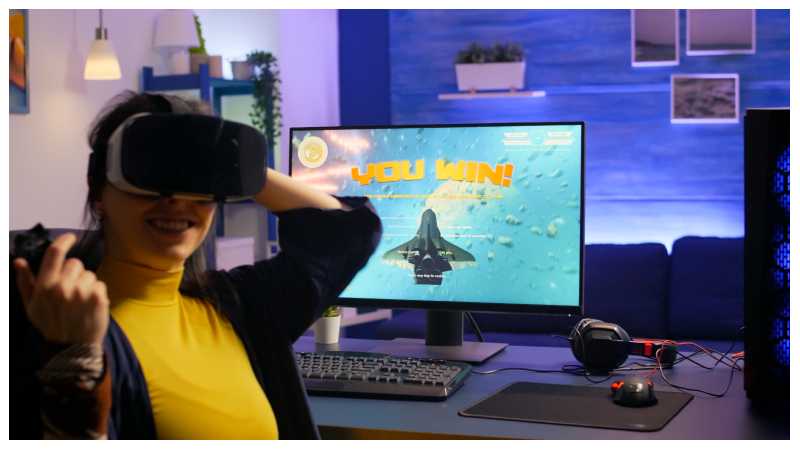
Online gaming has transformed from a simple recreational activity into a powerful global phenomenon that influences technology, communication, business, and even culture. What once involved local multiplayer sessions or single-player campaigns has evolved into vast digital universes where millions of players connect in real time. Today, online gaming is not just entertainment—it is shaping how people interact, learn, compete, and even earn a living.
The Rise of Global Connectivity
One of the biggest ways online gaming is changing the world is by connecting people across borders. Multiplayer platforms allow players from different countries, cultures, and backgrounds to collaborate or compete instantly. Games like Fortnite and Call of Duty: Warzone host millions of active players daily, creating global communities built around shared interests.
Voice chats, team missions, and online tournaments encourage communication and teamwork. Friendships that begin in a virtual match often extend beyond the screen, fostering international connections that would have been impossible just a few decades ago.
The Growth of Esports and Digital Careers
Online gaming has also created entirely new career paths. Esports—competitive professional gaming—has become a billion-dollar industry. Major tournaments attract millions of viewers, rivaling traditional sports events. Professional gamers, streamers, commentators, and content creators now earn substantial incomes through sponsorships, advertisements, and tournament prizes.
Streaming platforms have allowed everyday gamers to build personal brands. Players broadcast gameplay, interact with audiences, and form dedicated fan communities. Platforms like uggcontroman often highlight how digital entertainment and gaming trends are reshaping modern online industries and creating new opportunities.
The professionalization of gaming has also led to structured leagues, coaching programs, and global championships. Competitive gaming is no longer just a hobby—it’s a legitimate profession.
Technological Innovation
Online gaming has accelerated advancements in technology. High-speed internet, cloud computing, artificial intelligence (AI), and advanced graphics engines are constantly improving to support seamless multiplayer experiences.
Cloud gaming services now allow players to stream games without needing high-end hardware. Instead of relying on expensive gaming PCs or consoles, users can access powerful servers remotely. This makes gaming more accessible worldwide.
Virtual reality (VR) and augmented reality (AR) are further expanding online gaming’s possibilities. These immersive technologies enhance realism and player engagement, influencing not only entertainment but also training simulations and educational tools.
Social Interaction and Community Building
Online gaming is reshaping how people socialize. For many, virtual worlds have become digital meeting spaces. During times when physical interaction is limited, online games provide a platform for connection, teamwork, and shared experiences.
Massively multiplayer online games like World of Warcraft allow thousands of players to coexist in the same virtual universe. Players join guilds, complete missions together, and form tight-knit communities.
Gaming communities often extend to social media platforms, discussion forums, and live streams. This creates ecosystems where players exchange strategies, share fan art, and support one another.
Education and Skill Development
Online gaming is also influencing education and cognitive development. Many games require strategic thinking, quick decision-making, teamwork, and resource management. These skills can translate into real-world abilities such as leadership, communication, and problem-solving.
Educational games and gamified learning platforms use interactive elements to make studying more engaging. Some institutions even incorporate simulation-based learning inspired by gaming mechanics.
Furthermore, multiplayer environments teach collaboration. Players must coordinate actions, plan strategies, and adapt to changing circumstances—skills highly valued in professional environments.
Economic Impact
The online gaming industry contributes billions of dollars to the global economy. Game development studios, marketing teams, hardware manufacturers, and streaming platforms all benefit from the industry’s growth.
In-game purchases, downloadable content (DLC), and subscription services have created new revenue models. Digital marketplaces allow players to buy cosmetic items, expansions, and upgrades, fueling continuous economic activity.
The industry also supports job creation in programming, graphic design, sound engineering, event management, and digital marketing.
Cultural Influence
Online gaming significantly influences modern culture. Game-inspired memes, music collaborations, and virtual concerts are becoming mainstream. For example, live in-game events within Fortnite have hosted global artists, blending gaming with music entertainment.
Gaming language and terminology have entered everyday conversations. Characters and storylines from popular games often become cultural icons.
Additionally, online gaming promotes inclusivity by allowing people of different backgrounds to participate equally in virtual spaces. Representation in games is improving, reflecting broader societal diversity.
Challenges and Responsible Gaming
Despite its many benefits, online gaming also presents challenges. Excessive gaming can affect mental and physical health if not balanced properly. Issues like cyberbullying, online toxicity, and data privacy concerns require continuous attention.
Developers are introducing moderation tools, parental controls, and reporting systems to create safer gaming environments. Encouraging responsible gaming habits—such as setting time limits and maintaining offline social connections—is essential for long-term well-being.
The Future of Online Gaming
The future of online gaming is closely tied to emerging technologies. Artificial intelligence will enhance non-player character (NPC) behavior, while advanced graphics will create more realistic virtual worlds.
The concept of the “metaverse” is gaining attention—shared digital spaces where players can socialize, work, and play in interconnected environments. Online gaming is likely to play a central role in building these virtual ecosystems.
As technology continues to evolve, online gaming will expand beyond entertainment into education, business collaboration, and social interaction.
Conclusion
Online gaming is no longer just a pastime—it is a transformative force shaping global culture, technology, and communication. From creating digital careers and boosting economies to fostering international friendships and driving innovation, its impact is undeniable.
As the industry continues to grow, online gaming will play an even larger role in how people connect and experience the digital world. By embracing its benefits while promoting responsible use, society can harness the positive power of online gaming for years to come.