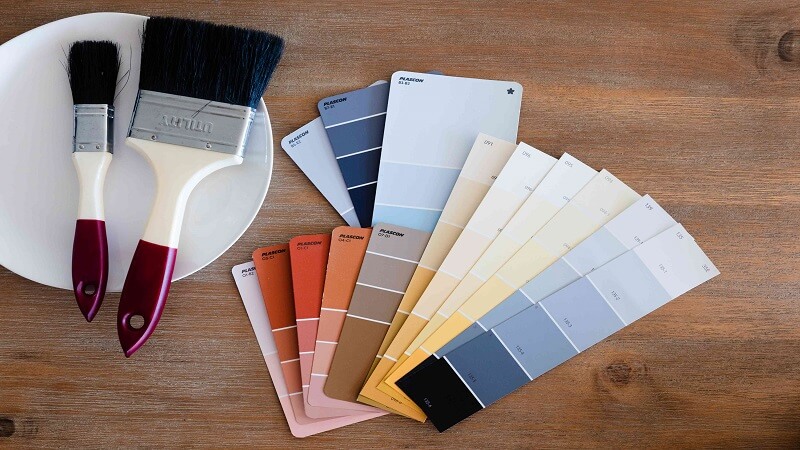
Choosing the right paint is one of the most important decisions in any home improvement project. Paint does far more than add color—it protects surfaces, improves durability, enhances lighting, and sets the emotional tone of your living space. Whether you are refreshing a single room, upgrading a rental property, or planning a full renovation, the right paint choice can dramatically affect both appearance and long-term value.
Many homeowners underestimate how technical paint selection can be. From finishes and formulations to surface compatibility and environmental conditions, choosing the right paint requires thoughtful planning. This guide will walk you through everything you need to know, step by step, so you can make confident decisions that look great and last for years.
Why Choosing the Right Paint Matters
Paint is often the first thing people notice when they enter a home. A poor paint choice can make even a well-designed space feel cheap or unfinished, while the right paint can instantly elevate the entire interior or exterior.
Here’s why choosing the right paint is so important:
-
Durability: High-quality paint resists peeling, cracking, and fading.
-
Maintenance: The correct finish makes cleaning easier and reduces frequent repainting.
-
Lighting & Mood: Color and sheen influence how light reflects and how a room feels.
-
Property Value: Well-painted homes appear newer and better maintained.
-
Surface Protection: Paint shields walls, wood, and metal from moisture and wear.
Paint is not just decoration—it is a protective and functional layer that directly impacts the longevity of your home.
Understanding Different Types of Paint
Before choosing colors, it’s essential to understand paint types. Not all paints are the same, and using the wrong one can lead to poor results.
1. Water-Based (Latex) Paint
This is the most common paint used in modern homes.
Best for:
-
Interior walls and ceilings
-
Bedrooms, living rooms, hallways
Advantages:
-
Quick drying
-
Low odor
-
Easy cleanup with water
-
Flexible and less prone to cracking
2. Oil-Based Paint
Oil-based paints are known for their durability and smooth finish.
Best for:
-
Doors and trims
-
Cabinets and furniture
-
Metal and wood surfaces
Advantages:
-
Hard, durable finish
-
Excellent stain resistance
Disadvantages:
-
Strong odor
-
Longer drying time
-
Requires solvents for cleanup
3. Enamel Paint
Enamel paints can be oil-based or water-based and are known for their hard, glossy finish.
Best for:
-
Kitchens and bathrooms
-
Cabinets and woodwork
Choosing the Right Paint Finish
Paint finish (also called sheen) affects both appearance and performance. Choosing the right paint finish is just as important as selecting the color.
Flat / Matte Finish
- Hides surface imperfections
- Best for ceilings and low-traffic rooms
- Not easy to clean
Eggshell Finish
- Soft sheen with better durability
- Ideal for living rooms and bedrooms
Satin Finish
- Smooth, slightly glossy
- Easy to clean
- Great for hallways, kids’ rooms, and kitchens
Semi-Gloss Finish
- Reflective and moisture-resistant
- Best for bathrooms, kitchens, doors, and trim
Gloss Finish
- Highly reflective
- Extremely durable
- Highlights imperfections (surface must be smooth)
Choosing the Right Paint Color
Color selection can feel overwhelming, but a structured approach makes it easier.
Consider Room Size and Light
- Light colors make small rooms feel bigger
- Dark colors create warmth but can feel heavy in tight spaces
- Natural light changes how colors appear throughout the day
Match the Mood
- Blue & Green: Calm and relaxing (bedrooms, bathrooms)
- Yellow & Orange: Energetic and warm (kitchens, dining areas)
- Gray & Beige: Neutral and modern (living rooms)
- White & Off-White: Clean, open, and timeless
Test Before Committing
Always test paint samples on the wall. Paint can look very different once dry and under your home’s lighting.
Surface Preparation: The Key to Lasting Results
No matter how good the paint is, poor preparation will ruin the outcome.
Essential Prep Steps:
- Clean walls to remove dust and grease
- Repair cracks and holes with putty
- Sand rough surfaces
- Apply primer where needed
Primer is especially important when:
- Painting over dark colors
- Painting new plaster or drywall
- Covering stains or moisture marks
Basic Home Improvement Projects That Rely on Paint
Paint plays a major role in many basic home improvement projects. In fact, it’s often the most cost-effective way to upgrade a home.
1. Refreshing Interior Walls
Repainting walls can instantly modernize a space without major construction.
2. Kitchen Cabinet Makeovers
Instead of replacing cabinets, repainting them can save money while delivering a fresh look.
3. Bathroom Upgrades
Moisture-resistant paint improves hygiene and prevents mold.
4. Exterior Home Improvement
Exterior paint protects walls from heat, rain, and pollution while improving curb appeal.
5. Rental Property Improvements
Neutral, durable paint choices help attract tenants and reduce maintenance costs.
Choosing the Right Paint for Different Areas of the Home
Living Rooms & Bedrooms
- Use low-VOC, water-based paint
- Eggshell or satin finish works best
Kitchens
- Choose washable, stain-resistant paint
- Satin or semi-gloss finish recommended
Bathrooms
- Moisture-resistant and anti-mold paint
- Semi-gloss finish for durability
Ceilings
-
Flat or matte paint to reduce glare
Exterior Walls
- Weather-resistant paint with UV protection
- Acrylic exterior paint performs best in hot climates
The Condo-Smart Painting Plan
Painting a condo requires a different strategy than painting a standalone house. Space limitations, shared walls, building rules, and noise restrictions all play a role. A condo-smart painting plan helps you avoid mistakes while achieving professional results.
Understand Building Regulations
Many condo associations have rules regarding:
- Exterior colors
- Working hours
- Waste disposal
Always check guidelines before starting.
Choose Low-Odor Paint
Condos often have limited ventilation. Low-VOC or zero-VOC paint is essential to avoid lingering smells that disturb neighbors.
Use Light and Neutral Colors
Light colors:
- Make small spaces feel larger
- Reflect natural light
- Appeal to future buyers or renters
Focus on High-Impact Areas
Instead of painting everything, prioritize:
- Main living area
- Entryway
- Kitchen cabinets
This keeps costs low while delivering visible improvement.
Efficient Scheduling
Plan painting over a weekend or short period to minimize disruption, especially if you are living in the condo during the project.
Eco-Friendly and Low-VOC Paint Options
Health and environmental concerns are increasingly important in modern homes.
Benefits of Low-VOC Paint:
- Safer for children and pets
- Better indoor air quality
- Reduced allergic reactions
Eco-friendly paints may cost slightly more but provide long-term health benefits.
Common Mistakes to Avoid When Choosing the Right Paint
- Choosing color before finish
- Ignoring lighting conditions
- Skipping primer
- Buying cheap paint to save money
- Not calculating proper paint quantity
Avoiding these mistakes ensures professional-looking results and saves money over time.
How Much Paint Do You Need?
As a general rule:
- 1 gallon covers about 350–400 square feet
- Always buy a little extra for touch-ups
Proper calculation prevents uneven color due to batch differences.
Long-Term Maintenance Tips
- Clean walls gently with mild soap
- Touch up small marks early
- Store leftover paint properly
- Repaint high-traffic areas every 4–6 years
Good maintenance extends the life of your paint job significantly.
Final Thoughts
Choosing the right paint is not just about color—it’s about performance, durability, and suitability for your space. Whether you are tackling basic home improvement projects or following a condo-smart painting plan, thoughtful paint selection can dramatically improve comfort, appearance, and value.
By understanding paint types, finishes, surfaces, and environment, you can make informed decisions that save money and deliver long-lasting results. With the right planning and preparation, paint becomes one of the most powerful tools in transforming your home into a space that truly reflects your style and needs.