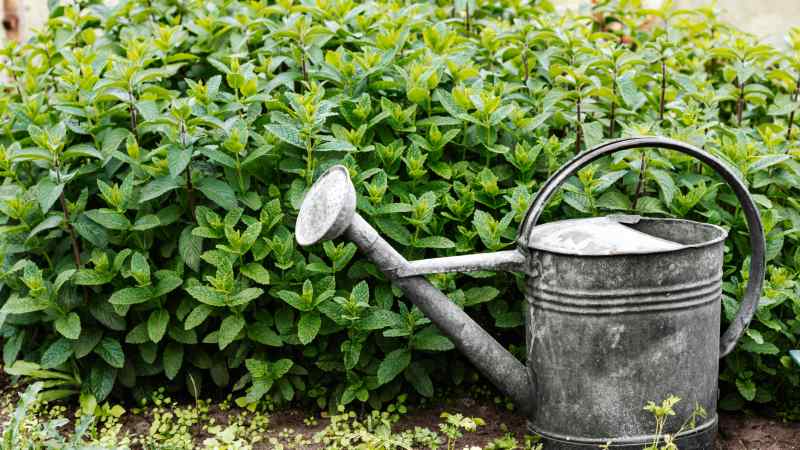
Creating a thriving backyard garden is one of the most rewarding investments we can make in our home and lifestyle. By cultivating our own vegetables, herbs, fruits, and flowers, we gain access to fresh produce, improve our outdoor space, and establish a sustainable, productive environment. With the right preparation, thoughtful plant selection, and consistent care, we can transform even a modest yard into a flourishing garden that delivers abundant harvests throughout the growing season.
Choosing the Perfect Location for a Backyard Garden
The foundation of a successful backyard garden begins with selecting the ideal location. We must prioritize sunlight exposure, as most vegetables and flowering plants require at least 6–8 hours of direct sunlight daily. Observing our yard throughout the day helps us identify areas that receive consistent sun without excessive shade from buildings, fences, or trees.
Proper drainage is equally critical. We avoid low-lying areas where water pools after rainfall. Well-drained soil prevents root rot and encourages strong plant development. If drainage is a concern, we can implement raised beds or amend soil structure to improve water flow.
Accessibility also plays a key role. A garden located close to our home ensures convenient watering, monitoring, and harvesting, increasing the likelihood of consistent maintenance.
Testing and Preparing Soil for Maximum Growth
Healthy soil is the backbone of a productive backyard garden. Before planting, we conduct a soil test to determine pH levels and nutrient composition. Most vegetables thrive in soil with a pH between 6.0 and 7.0.
To enrich our soil:
- We incorporate organic compost to improve fertility and texture.
- We add aged manure for nutrient density.
- We mix in peat moss or coconut coir to enhance moisture retention.
- We use perlite or sand to improve drainage in heavy clay soils.
Turning the soil to a depth of 8–12 inches allows roots to establish deeply. Removing rocks, debris, and weeds creates a clean foundation for optimal root expansion.
Planning the Layout of a Thriving Backyard Garden
Strategic layout planning maximizes productivity and simplifies maintenance. We can choose between:
- Raised garden beds for better drainage and soil control.
- In-ground rows for larger spaces.
- Container gardening for patios and small yards.
We group plants according to their sunlight and watering needs. Taller crops, such as corn or trellised tomatoes, are placed at the north end to avoid shading shorter plants.
Companion planting enhances growth and deters pests. For example:
- Planting basil near tomatoes improves flavor and repels insects.
- Growing marigolds among vegetables reduces harmful nematodes.
- Pairing carrots with onions minimizes pest damage.
Spacing is essential. Overcrowding restricts airflow and increases disease risk. We follow recommended spacing guidelines to ensure healthy development.
Selecting the Best Plants for Beginners
A successful beginner backyard garden starts with resilient, easy-to-grow crops. We focus on varieties known for high yields and minimal maintenance:
Vegetables
- Tomatoes
- Lettuce
- Zucchini
- Green beans
- Carrots
- Peppers
Herbs
- Basil
- Mint
- Parsley
- Rosemary
Fruits
- Strawberries
- Blueberries (in acidic soil)
Selecting plants suited to our climate zone ensures stronger performance. We check local frost dates and choose seeds or seedlings accordingly.
Starting from Seeds vs. Seedlings
We can either start plants from seeds indoors or purchase established seedlings. Starting from seed offers a broader variety selection and cost efficiency. We begin seeds indoors 6–8 weeks before the last frost date, using seed trays with nutrient-rich potting mix.
Seedlings, on the other hand, provide convenience and faster establishment. When transplanting, we harden off plants gradually by exposing them to outdoor conditions over 7–10 days.
Watering Techniques for a Healthy Backyard Garden
Consistent watering is essential for maintaining a thriving backyard garden. Most vegetables require approximately 1–1.5 inches of water per week.
Best practices include:
- Watering early in the morning to reduce evaporation.
- Applying water at the base to prevent fungal diseases.
- Using drip irrigation systems for efficient moisture control.
- Mulching around plants to retain soil moisture and suppress weeds.
Overwatering can be as harmful as underwatering. We monitor soil moisture by checking the top 2 inches—if dry, it is time to water.
Fertilizing for Abundant Harvests
Plants require balanced nutrients throughout the growing season. We apply:
- Nitrogen-rich fertilizers for leafy growth.
- Phosphorus to encourage root development.
- Potassium for overall plant strength and disease resistance.
Organic options such as compost tea, fish emulsion, and bone meal provide steady nourishment without chemical buildup. Fertilizing every 3–4 weeks during peak growth maintains productivity.
Controlling Weeds and Pests Naturally
Weeds compete for nutrients and water. Regular hand-pulling and mulching effectively suppress unwanted growth.
For pest control, we implement integrated pest management techniques:
- Encouraging beneficial insects like ladybugs.
- Use neem oil or insecticidal soap.
- Installing physical barriers, such as row covers.
- Rotating crops annually to disrupt pest cycles.
Avoiding chemical pesticides preserves pollinators and supports a balanced ecosystem.
Seasonal Maintenance and Crop Rotation
A flourishing backyard garden requires seasonal adjustments. In spring, we prepare beds and plant cool-season crops. Summer focuses on watering, harvesting, and monitoring pests. Fall is ideal for planting cover crops and adding compost to replenish soil nutrients.
Crop rotation prevents nutrient depletion and reduces disease risk. We avoid planting the same family of vegetables in the same location consecutively. For example, tomatoes, peppers, and eggplants should rotate yearly.
Harvesting for Peak Freshness and Yield
Timely harvesting encourages continuous production. We harvest:
- Leafy greens are tender and young.
- Tomatoes are fully colored but firm.
- Zucchini before they become oversized.
- Herbs regularly to promote bushier growth.
Using clean, sharp tools prevents plant damage and reduces disease transmission.
Extending the Growing Season
To maximize productivity, we can extend our growing season using:
- Cold frames
- Row covers
- Greenhouses
- Succession planting
Succession planting involves sowing new crops every 2–3 weeks to ensure continuous harvests rather than a single large yield.
Sustainable Gardening Practices
Building a sustainable, thriving backyard garden benefits both our household and the environment. We implement:
- Composting kitchen scraps.
- Collecting rainwater.
- Reducing synthetic fertilizers.
- Supporting pollinators with native flowering plants.
Sustainable practices ensure long-term soil health and consistent productivity year after year.
Transforming Your Backyard into a Productive Oasis
By carefully selecting the right location, enriching the soil, choosing beginner-friendly plants, and maintaining consistent care routines, we create a backyard garden that flourishes season after season. Through structured planning, attentive watering, natural pest control, and sustainable techniques, we establish a resilient ecosystem capable of delivering abundant harvests and vibrant growth.
A well-maintained garden is not only a source of fresh produce but also a powerful expression of self-sufficiency, environmental stewardship, and outdoor beauty. With commitment and proper execution, we cultivate a backyard space that becomes both productive and inspiring.