
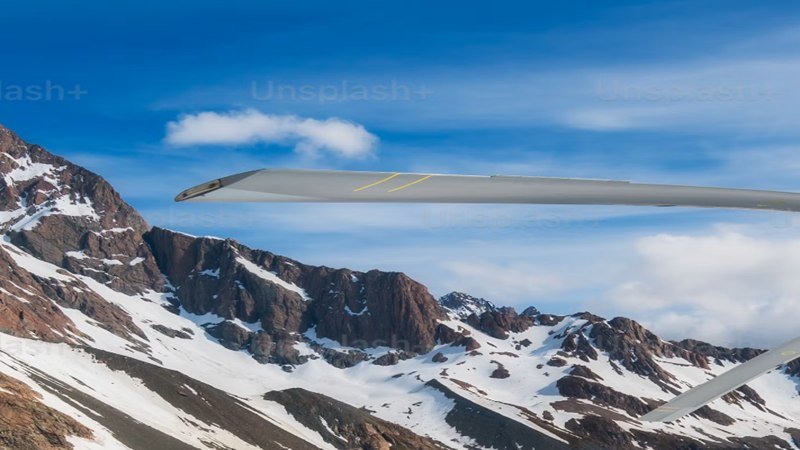
Two Different Ways to Experience Mount Everest
Planning a trip to Everest sounds exciting right up until the practical questions start piling up. How many days can you actually take off? Are your knees ready for a week of climbing stairs made of rock? What’s it going to cost, and is it worth it? Plenty of travelers end up stuck between two very different options: an Everest Base Camp helicopter tour or Everest Base Camp Trekking.
On paper the difference is simple. A helicopter tour gets you over the Khumbu region fast, with big aerial views of Himalayan peaks, glaciers and valleys. Trekking is the slow version: days of walking through Sherpa villages, past Namche Bazaar, over suspension bridges and along rocky trails until the mountains slowly start to feel close.
Neither one is automatically the better choice. It comes down to your time, your fitness, your budget and what you want out of the trip. This guide walks through both so you can decide without second-guessing yourself.
What Makes the Everest Region Worth Experiencing?
Everest itself is only part of the draw. At roughly 8,849 metres it’s the headline act, sure, but the Khumbu region around it is where the trip gets its character.
This is Sherpa country. Villages sit on steep hillsides, monasteries keep their prayer wheels turning, and strings of prayer flags snap in the wind above almost every bridge and ridge. Lodge owners and guides here have been hosting mountain visitors for decades, and you can feel it in how welcoming the teahouses are.
The landscape keeps changing, too. Lower down you get pine and rhododendron forest, then open alpine valleys, then glaciers and bare rock as you climb. Altitude is the one thing to respect throughout. The air thins out quickly, and how your body copes matters for walkers and flyers alike. That’s really what the rest of this article is about: seeing the Everest region from above versus earning it on foot.
Everest Base Camp Helicopter Tour: What the Experience Is Really Like
Typical Route and Schedule
Most tours start in Kathmandu and head east toward the Khumbu, often with a stop at or near Lukla. Depending on the operator, there may also be a refuelling or operational stop along the way. Once you’re in the mountains the views come fast: ridgelines stacked behind each other, deep river valleys, glaciers, and small Sherpa settlements clinging to the slopes.
One thing to know before you book. An Everest Base Camp helicopter tour does not automatically include a landing at Everest Base Camp. Where the helicopter actually touches down depends on weather, the aircraft’s weight limits, altitude and conditions on the day.
Mountain Views, Landing Stops, and Breakfast
There’s a real difference between seeing Everest from the air and stepping out at a viewpoint. In the air, everything is moving and the peaks slide past the window. At an approved landing spot you can stand still, breathe the thin air and take it in properly. Which stops are possible depends on the operator’s itinerary and the conditions.
Some itineraries include breakfast at a high-altitude hotel, which is a pretty great way to eat with a mountain in front of you. Not all of them do, so ask. Wind, cloud and poor visibility can also change the route or cancel a landing altogether. That isn’t the operator being difficult. It’s just the mountains.
Who Should Consider a Helicopter Tour?
It suits people who are short on time but still want Himalayan views without several days of walking. Families often like it for the same reason, and so do travelers who prefer a lighter physical commitment. It also works for trekkers who can’t manage a full expedition this time around but don’t want to skip the Everest region entirely.
Everest Base Camp Trekking: The Journey Beyond the Mountain Views
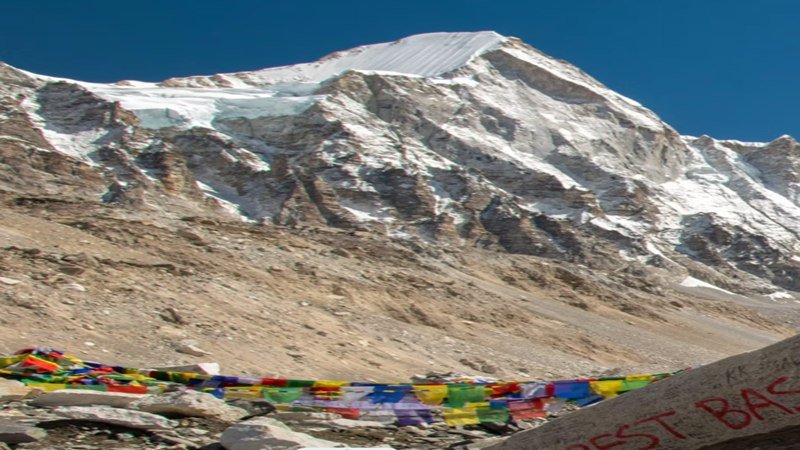
The Classic Trekking Route to Everest Base Camp
The Everest Base Camp Trekking classic route starts with a flight to Lukla, then climbs through Phakding, Namche Bazaar, Tengboche, Dingboche, Lobuche and Gorak Shep before finally reaching base camp. Walking from village to village lets the landscape change a little at a time. You go from woodland trails and swaying suspension bridges to rocky ground, glacial valleys and high settlements where the air feels noticeably thin.
Acclimatization days matter a lot here, usually around Namche Bazaar and Dingboche, though itineraries differ. They give your body time to adjust, and they’re a good excuse to rest or wander a side trail.
Sherpa Culture and Everyday Trail Experiences
Evenings are a big part of trekking. You sleep in teahouses, eat simple local meals, pass monasteries and prayer wheels, and spend real time with your guides and porters. A short sightseeing flight just can’t give you that kind of contact with local life.
It isn’t easy, though. Several hours of walking a day at altitude takes both strong legs and patience. And a heads-up: reaching Everest Base Camp is a proud milestone, but base camp itself doesn’t give you the big summit panorama most people picture. Certain nearby viewpoints do a better job of that.
Who Is Everest Base Camp Trekking Best For?
Trekking suits people who like walking and being outdoors, who are curious about mountain communities, and who can set aside enough days for the route and proper acclimatization. If you’d rather have a journey than an excursion, this is the one.
Helicopter Tour vs. Trekking: The Practical Differences
Here’s how the two stack up on the things travelers ask about most.
| Factor | Helicopter Tour | Everest Base Camp Trekking |
| Time commitment | Usually a short excursion, depending on the itinerary | Commonly around 12–14 days for a standard round trip |
| Physical effort | Little walking, though altitude still matters | Sustained walking on steep, high-altitude trails |
| Main experience | Aerial views and selected landing stops | Trails, villages, mountain scenery and local culture |
| Acclimatization | Very little chance to adjust gradually | Gradual ascent with planned rest days |
| Accommodation | Usually no overnight stay unless arranged | Teahouses or lodges along the route |
| Weather impact | Delays, route changes or cancellations | Trail conditions, visibility and daily progress |
| Cost factors | Aircraft, passenger weight, landing arrangements, service type | Guide, porter, lodging, meals, permits, transport, trip length |
| Flexibility | Tied to flight operations and safety conditions | Some room to adjust pace and itinerary |
Don’t judge the two by day count or sticker price alone. What you actually get for your time and money is the real comparison. Costs and inclusions also change by operator and season, so treat any figure you come across as a starting point rather than a promise.
Cost Planning: What Travelers Should Budget For
Everest Base Camp Helicopter Tour Costs
Helicopter tour prices swing quite a bit depending on whether the flight is shared or private, how many passengers are on board, aircraft weight limits, transfers, and whether extra landing arrangements are included. Before you pay anything, confirm airport transfers, meals, landing fees and what happens if the flight gets cancelled or rescheduled.
Everest Base Camp Trekking Costs
For trekking, budget for international and domestic transport, permits, lodging, meals, a guide, a porter, insurance, gear, and some spare cash for surprises. A suspiciously cheap package often leaves something important out. Ask what’s included and what you’ll be paying for on the trail.
Best Time to Visit Everest: Flights, Trails, and Weather
Spring and autumn are the usual favorites for the Everest region, mostly because the weather tends to be more settled and the trails are in decent shape. Cloud, wind, snowfall and visibility still call the shots, though, for helicopter operations and trekking plans alike. A good season doesn’t promise clear views or flights that run without a hitch.
If your flight home depends on getting back from the mountains on time, build in a few buffer days. And check current conditions and seasonal operating arrangements with your operator before you leave.
Safety, Altitude, and Preparation: What You Need to Know
Safety Considerations for Helicopter Travelers
Flying in the mountains depends on weather, aircraft performance, passenger weight and the condition of landing sites. Listen to the pilot and the operator, and accept itinerary changes when conditions aren’t right. Also remember that even a short tour can put you at high altitude, so don’t treat it as risk-free.
Preparing for the Trek
Build up your walking fitness well before you go. Wear broken-in footwear, dress in layers, drink plenty of water and ascend gradually. Learn the signs of altitude illness, like headache, nausea and unusual tiredness, and get medical advice when something feels off. Take out travel insurance that specifically covers the activity, the elevations and evacuation. Whichever option you pick, safety comes before the itinerary.
Can You Combine Everest Base Camp Trekking With a Helicopter Return?
Some travelers walk into the Everest region and fly back by helicopter instead of trekking the whole way down. It saves time and trims the number of walking days, which is handy if your schedule is tight or your knees are complaining. Whether it works depends on availability, weather, passenger weight, landing permissions and the exact pickup location, so confirm the return arrangements and the backup plan before the trek begins. And keep in mind this is a different thing from a sightseeing tour that starts and ends in Kathmandu.
Choosing a Responsible Everest Travel Operator
Look for clear itineraries, transparent pricing, qualified guides, realistic promises about flights and a proper emergency procedure. Ask about their policies on weather cancellations, refunds, itinerary changes and altitude-related emergencies. Adventure Great Himalaya is one name travelers can look at while researching Everest-region arrangements. Whoever you end up considering, compare what’s actually included and how safety is handled, rather than leaning on promotional claims.
Which Everest Experience Is Right for You?
If time and aerial views top your list, the helicopter tour makes sense. If you care more about the journey, the villages, the physical challenge and a slow look at the Khumbu, go trekking. With more time and a suitable budget, trekking plus a helicopter return might give you the best of both. Let your fitness, schedule, budget and goals make the call, not what everyone else on social media is doing.
Two Ways to Experience the Same Himalayan Landscape
It really is the same mountains, just seen two ways. The helicopter tour gives you a shorter, aerial look at Everest, while trekking hands you more time for village life, culture and a gradual approach to the Khumbu. Pick the one that fits your time, budget, fitness and expectations, and leave a little room for the mountains to change the plan.
Frequently Asked Questions
How long does an Everest Base Camp Helicopter Tour take?
Usually hours rather than days, but there’s no single answer. The itinerary, weather, refuelling and landing arrangements all change the timing, so ask your operator for the expected schedule.
How many days does Everest Base Camp Trekking require?
A standard round-trip itinerary commonly takes around 12–14 days. Keep the acclimatization days and a few buffer days, because weather and altitude don’t follow a timetable.
Does an Everest helicopter tour land at Everest Base Camp?
Not necessarily. A landing at the actual base camp isn’t guaranteed and depends on operating and safety conditions, so check exactly where your itinerary lands.
Is trekking better than taking a helicopter to Everest?
Neither wins across the board. It depends on your time, physical ability, budget and the kind of experience you’re after.
Can I trek to Everest Base Camp and return by helicopter?
Yes, some itineraries offer it, subject to availability, weather and operational restrictions.
What is the best season for an Everest helicopter tour or trek?
Spring and autumn are generally preferred, though mountain weather stays unpredictable in any season.